Hands Across Generations, Hearts in Every Stitch

The Memory in Materials
Fibers, clays, woods, and natural dyes remember rainfalls, soils, and stories. Elders explain why willow bends kindly after the first thaw, or which plant yields a respectful red. Youth feel landscapes in their fingertips, learning stewardship as technique, not as a lecture, but as the living texture of place.
Learning by the Heart, Not Only the Hand
In workshops where time slows, repetition becomes a lullaby. A grandparent hums while knotting, and the rhythm carries understanding deeper than any diagram. Mistakes invite laughter, corrections feel gentle, and the body learns pathways the mind later names, uniting confidence with compassion for the process.
Belonging Through Making Together
Making side by side builds trust faster than small talk ever could. Sharing tools requires care; passing a shuttle requires awareness. As pieces grow, so does connection, and youth realize they are not guests but rightful contributors to a living lineage anchored by generosity and purpose.
Designing Welcoming Workshops

Pairing Elders and Youth Thoughtfully
Matches consider dialects, mobility, and preferred learning styles. A patient storyteller may pair with a visual learner; a brisk carver might mentor a teen who loves challenge. Clear expectations, shared goals, and small wins early on build trust that sustains longer, deeper learning journeys.
Creating Rituals that Signal Respect
Matches consider dialects, mobility, and preferred learning styles. A patient storyteller may pair with a visual learner; a brisk carver might mentor a teen who loves challenge. Clear expectations, shared goals, and small wins early on build trust that sustains longer, deeper learning journeys.
Safety and Comfort Without Sterility
Matches consider dialects, mobility, and preferred learning styles. A patient storyteller may pair with a visual learner; a brisk carver might mentor a teen who loves challenge. Clear expectations, shared goals, and small wins early on build trust that sustains longer, deeper learning journeys.
Local Tools, Local Stories

Harvesting with Care
Toolkits that Tell Histories
Story Prompts that Open Gentle Doors
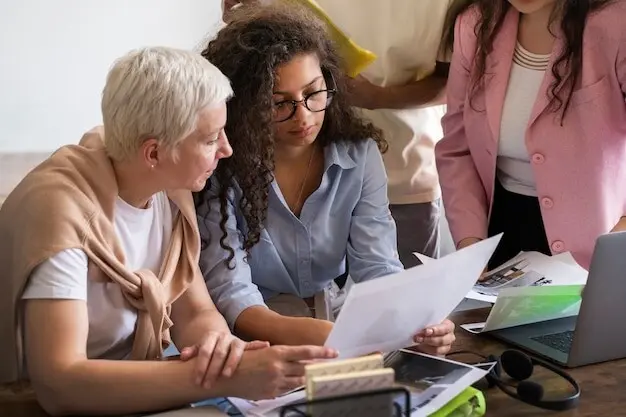
Simple questions welcome memories without pressure: Who showed you this knot? Which season smells like the dye pot? What went wrong once, and how did you fix it? Prompts mingle with making, so answers feel lived-in rather than interrogated, easing voices into the circle.
Listening Technologies, Human First
Phones, mics, and apps support remembering, but empathy leads. Ask permission each time, explain storage, and invite elders to review names and spellings. Keep devices low and faces high. Preserve accents with warmth, because cadence carries place, and place carries truths that plain text cannot hold.
Songs, Chants, and Rhythms as Mnemonics
Many crafts keep time with breath, steps, or lullabies. Elders reintroduce work songs; youth add claps or beats. The music cues tension, spacing, and pace, teaching bodies consistency. Later, when alone, the remembered rhythm resurfaces, guiding hands back to community through sound.
A Day in the Studio: Three Real Moments
From Workshop to Community Life
Celebrations that Welcome Everyone
Micro-enterprises that Respect Heritage
Schools, Libraries, and Clinics as Partners
Join the Circle and Keep the Hands Moving

Share Your First Craft Memory

Host a Gathering with Our Starter Guide